
What to include in a gasketed PHE overhaul plan
A clear scope covers identification, condition assessment, suitable parts and documented acceptance—not just gasket replacement.
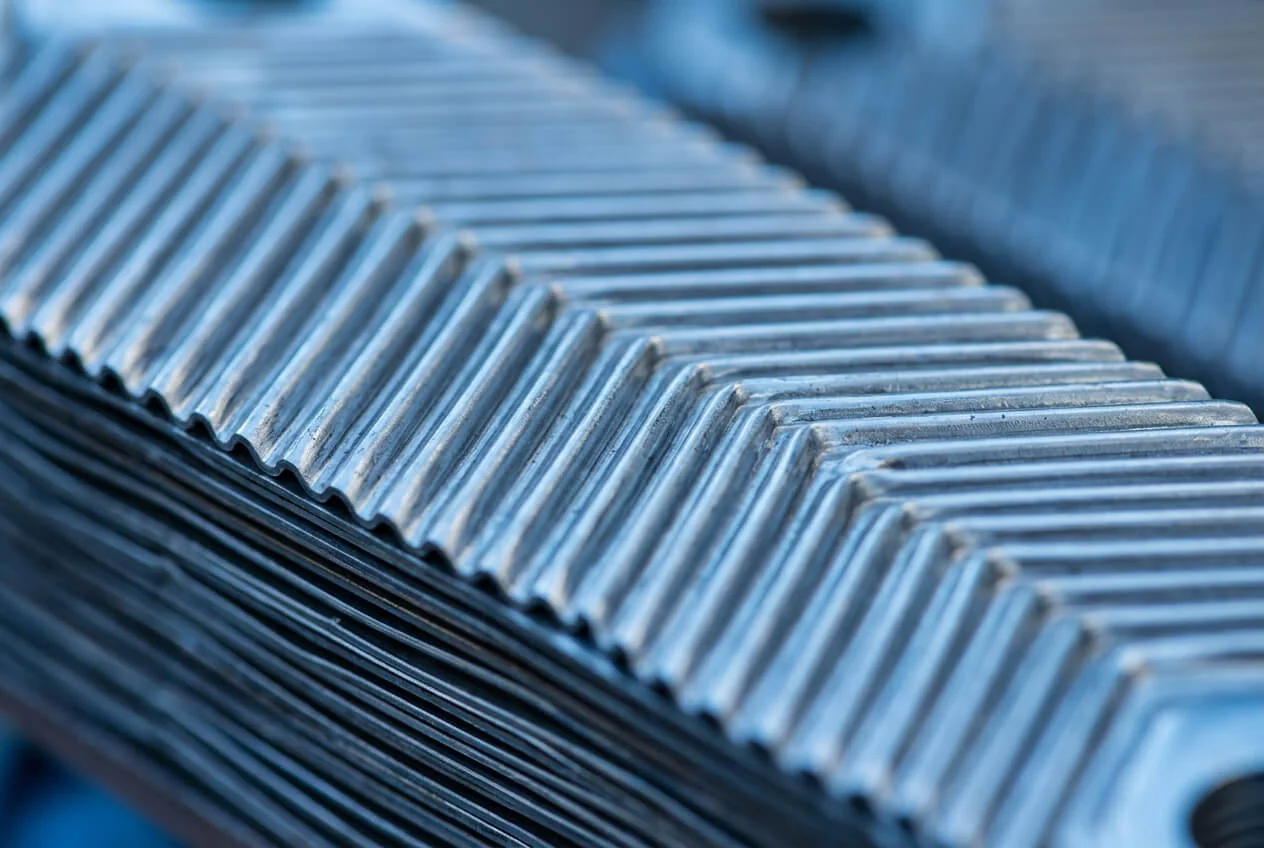
Overhauling a gasketed plate heat exchanger should begin with its operating history and an agreed service scope. Cleaning, plate reconditioning and frame repair address different needs and require different checks.
Establish the reason for the shutdown
Define whether the concern is external leakage, suspected internal leakage, declining heat transfer or planned lifecycle maintenance. Provide the original equipment identification and describe changes in fluids, cleaning practices or operating conditions since the last service.
Agree how the equipment will be made available and who owns the isolation, lifting, handling and release activities. This article describes service planning rather than a dismantling procedure. The equipment manual and the site's approved safety arrangements govern the work, with competent personnel assessing the actual installation.
Separate cleaning from reconditioning
Alfa Laval distinguishes plate reconditioning from frame repair. Cleaning removes deposits, while a broader plate service may include gasket work and inspection for defects. The frame, connections and fastening components also need an appropriate condition assessment.
The required treatment depends on the plate material, deposits, gasket system and equipment history. A generic cleaning chemical or mechanical method cannot be assumed suitable. Request a proposed service scope with inspection stages and a process for obtaining approval if additional damage is found.
Define the records and acceptance criteria
Before work begins, ask what identification, plate-order records and inspection findings will be retained. Clarify the replacement-part specification and how rejected components will be identified. Gasket compatibility must consider both process media and the cleaning exposure expected in service.
Agree the applicable reassembly and test requirements using the manufacturer's instructions and the site's engineering procedures. A successful leak check does not automatically demonstrate the required heat duty. Where performance restoration is part of the scope, define which operating readings will be compared after the exchanger returns to service.
Make the shutdown plan practical
Confirm the available access, handling arrangements, spare-part lead time and whether work is planned onsite or at a suitable service facility. Include a decision point for unexpected findings, so the plant team understands who can approve a changed scope and how it affects the restart.
A useful handover contains the completed scope, replaced parts, inspection results, test records and outstanding recommendations. Establish a new operating baseline and a follow-up review after normal production resumes. For a DFT service discussion, share the serial number, duty sheet, issue history and proposed shutdown window. The agreed scope should identify responsibilities clearly; no universal overhaul interval or guaranteed recovery percentage applies to every exchanger.
Further reading
Discuss your application
Share your process conditions and equipment requirements with Delta Flow Tech.
Ask DFT about thisContinue reading
Why a plate heat exchanger misses its target temperature
Separate a changing process duty from fouling or a flow problem before deciding that the exchanger needs more plates.
Learn moreSteam traps: selecting the duty and planning a useful survey
Assess the complete condensate path, then use a consistent survey to distinguish normal operation from leakage or restricted drainage.
Learn more