
Why a plate heat exchanger misses its target temperature
Separate a changing process duty from fouling or a flow problem before deciding that the exchanger needs more plates.
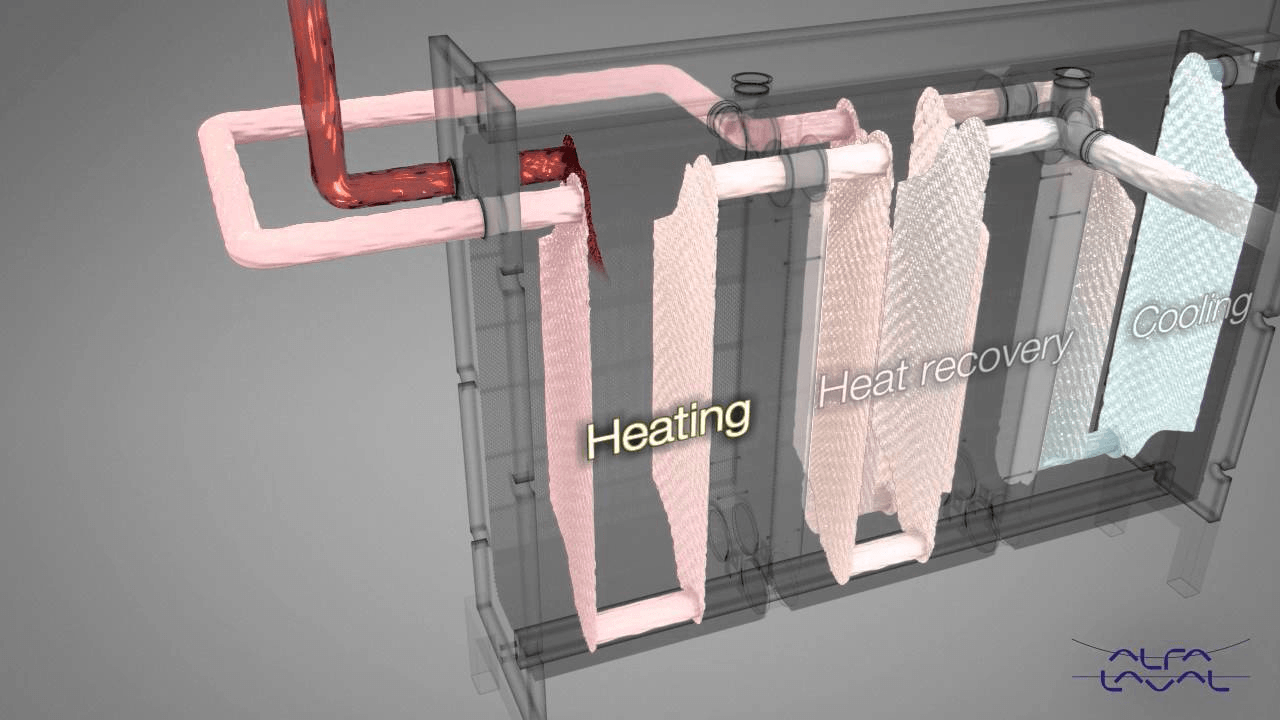
A missed outlet temperature needs a measured diagnosis. Start with the original selection, actual temperatures and flows, then assess the utility supply, pressure losses and operating history. More heat-transfer area is only one possible answer.
Start with a complete operating picture
Record both inlet and outlet temperatures, both flow rates and pressure readings during the same stable operating period. A temperature taken during startup cannot reliably be compared with a design point for continuous production. Check that instruments are calibrated and identify whether values come from the exchanger connections or a remote location.
Alfa Laval's calculation guidance identifies heat load, terminal temperatures, flow rates, allowable pressure losses and operating limits as key selection inputs. For a sensible-heating duty, the product flow, specific heat and required temperature change establish the heat demand. If the recipe or production rate has changed, the original selection may no longer describe the required service.
Understand what approach temperature means
For a counter-current liquid-to-liquid exchanger, compare the hot inlet with the cold outlet and the hot outlet with the cold inlet. The smaller terminal difference is commonly called the approach. A closer approach reduces the available temperature driving force and can require more effective heat-transfer area, subject to hydraulic and physical limits.
For example, a cooling-water supply that arrives warmer in summer leaves less driving force for product cooling. Adding plates cannot compensate for every utility limitation. A revised thermal calculation should evaluate the proposed operating range, rather than assume that the nameplate duty remains available under different conditions.
Use symptoms to narrow the investigation
A gradual performance decline can be consistent with deposits, while a sudden change after maintenance warrants checking the approved plate arrangement and connections. Unexpected pressure loss also deserves investigation. These observations suggest possible causes; they do not establish a diagnosis on their own.
Compare current readings with a documented clean operating baseline. Review utility availability, control-valve position, product properties and recent maintenance together. Arrange inspection or cleaning through competent personnel using the equipment instructions; opening or adjusting a hot, pressurised exchanger is not a diagnostic shortcut.
Prepare a useful engineering enquiry
Send the model and serial number, original duty sheet, fluid identities, required production range, actual readings and an outline of the connected utility system. Explain whether the problem is continuous, seasonal or limited to particular recipes. Include the pressure-loss allowance and any restrictions on shutdown duration.
Ask the reviewing engineer to distinguish process changes, equipment condition and selection limitations in the proposed remedy. A useful recommendation explains its assumptions and how restored performance will be demonstrated. DFT can use this information to support technical coordination; final sizing and operating limits remain specific to the selected equipment.
Further reading
Discuss your application
Share your process conditions and equipment requirements with Delta Flow Tech.
Ask DFT about thisContinue reading
Steam traps: selecting the duty and planning a useful survey
Assess the complete condensate path, then use a consistent survey to distinguish normal operation from leakage or restricted drainage.
Learn morePlanning a hygienic valve automation retrofit
Check the valve, actuator and controls together before selecting a control top or promising additional functionality.
Learn more