
01
Identify the valve before planning service
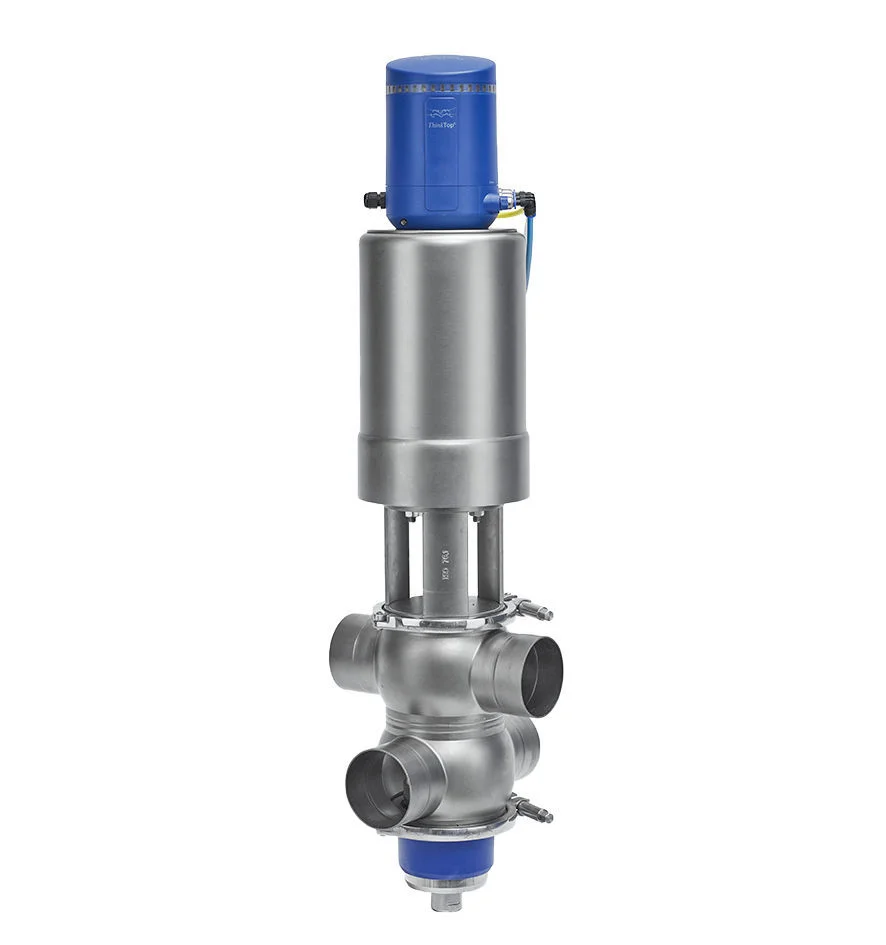
- Record the valve type, seal specification, serial number and manufacturing year. The reference identifies the actuator marking as a source of traceability.
- Match the service kit to the exact configuration: mixproof, single-seat, butterfly, regulating, ball, sampling, shutter, diaphragm or safety valve.
- Keep a record of inspections, activations and replacements so the next service interval reflects actual plant conditions.
02
Understand what changes seal life
- Activation count matters, but low-use valves also need attention because rubber hardens with age.
- Review product composition, CIP concentration and chemistry, SIP exposure, differential pressure and process temperature together.
- Inspect seals and assess lubrication or surrounding-equipment adjustments using the specific valve manual.
03
Prepare for the planned shutdown
- Use the correct service kit and retain its material and traceability records.
- Lubricate the relevant rubber parts with the service-kit lubricant before fitting, as directed by the valve manual.
- Confirm the tools and model-specific procedure before disassembly; this guide is a planning reference, not a repair instruction.
Service planning at a glance
Reference intervals and checks from PDF pages 5–6. Verify against the instructions for your unit.
| Component / check | Reference timing | Planning note |
|---|---|---|
| Product-wetted service kit | 12 months | Adjust to working conditions. |
| Actuator service kit | 5 years | Adjust to working conditions. |
| Unique sampling valve kit | 500–1,000 samples | Select within the range according to duty. |
These are the May 2023 reference recommendations. The guide does not prescribe a single inspection frequency for all valves.